
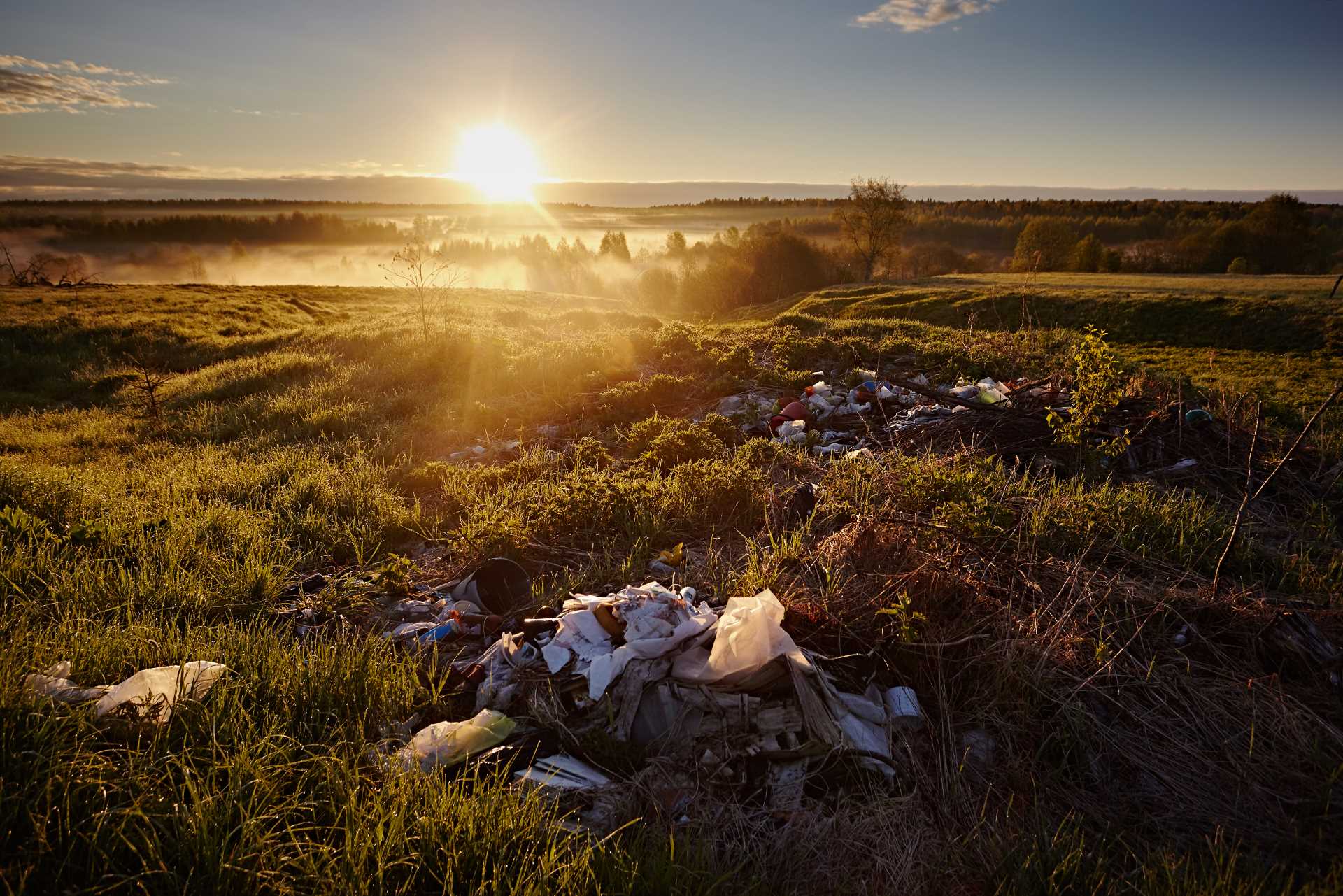
Coalition of five national organisations, including Clean Up Britain, writes to Minister urging acceptance of landmark Crime and Policing Bill amendments
Clean Up Britain has joined forces with the Countryside Alliance, Country Land and Business Association (CLA), National Farmers Union (NFU) and the National Rural Crime Network (NRCN) in writing to Dame Angela Eagle DBE MP, Minister for Food Security and Rural Affairs, urging the government to accept amendments to the Crime and Policing Bill that would end the injustice faced by victims of fly-tipping.
The joint letter, sent on 19 March, calls on the government to accept Amendments 13 and 21, which were agreed by the House of Lords on 25 February following a series of defeats for the government. The amendments would make convicted fly-tippers automatically liable for the cost of removal and any damage caused, and place a duty on local authorities to collect fly-tipped waste and recover costs from offenders, relieving private landowners of the financial burden of a crime committed against them.
Under the current system, fly-tipping remains one of the only crimes in England where the victim is expected to pay for the consequences. Farmers and landowners who find waste illegally dumped on their land are legally responsible for clearing it, and can even face prosecution by local authorities if they fail to do so. This is despite most councils not prosecuting the original offence.
The letter argues that the current system creates a perverse incentive, leaving the burden on landowners while the levers to address the root causes, including the availability, cost and convenience of legitimate waste disposal, sit with local authorities.
The intervention comes in the wake of the government’s Waste Crime Action Plan, published on 19 March, which acknowledged the scale of the problem but stopped short of committing to the legislative reforms campaigners are calling for.
John Read, Founder of Clean Up Britain, said:
“With fly-tipping incidents at a record high of 1.26 million last year, up nine per cent, it is clear that the current system is failing. It is a basic injustice that a farmer or landowner who wakes up to find waste dumped on their property is then expected to pay for its removal. This letter represents a united front from rural, environmental and anti-litter organisations who rarely speak with one voice. When groups as diverse as ours agree that the system is broken, the government should listen. Amendments 13 and 21 would finally place responsibility where it belongs: on offenders, not victims. The government should seize this opportunity rather than let it pass.”
Tim Bonner, Chief Executive of the Countryside Alliance, said:
“The government has a real opportunity here to end the ridiculous current system in which farmers and rural people are penalised for being victims of waste crime.
“Accepting these amendments would do much to repair the government’s broken relationship with the countryside, showing rural communities that the government does care about justice for the people who live and work there. We have heard warm statements from the government on this issue before — but they are not enough. Actions speak louder than words.”
Robyn Munt, Vice President of the National Farmers Union, said:
“With over 1.26 million reported fly-tips in England last year, fly-tipping is a serious criminal offence that imposes a relentless and costly blight on our countryside. Currently, private landowners are forced to shoulder the financial burden of waste crime, a crime that forces farmland out of use, poses a threat to wildlife and places an unfair financial and emotional strain on British farmers and growers.
“We are calling on the government to urgently consider these amendments to the Crime and Policing Bill, as until the system tackles waste crime at its source, the unjust burden fly-tipping places on British farmers and growers will continue.”
Gavin Lane, President of the Country Land and Business Association, said:
“Farmers and land managers have had enough. The countryside is increasingly being targeted by organised crime gangs — often violent — who know that rural areas are under-policed and resourced.
“It’s not just litter blotting the landscape, but tonnes of household and commercial waste which can often be hazardous — even including asbestos and chemicals — endangering wildlife, livestock, crops and the environment. Farmers are victims yet have to pay clean up costs themselves.
“We need to see penalties being enforced that better reflect the severity of the crime, and the seizure of vehicles must be the default penalty to send a clear signal that criminals will face real consequences if they are caught fly-tipping.”
Tim Passmore, Chair of the National Rural Crime Network, said:
“Rural landowners are victims of fly tipping, not perpetrators. The National Rural Crime Network insists the focus must be on catching criminals, not penalising those they target.”
Clean Up Britain will continue to work alongside its coalition partners to press for the acceptance of these amendments as the Crime and Policing Bill returns to the House of Commons. If you have been affected by fly-tipping or want to support our campaign for fairer enforcement, please sign up to our newsletter here and get in touch here.


 Media and donor enquiries: