
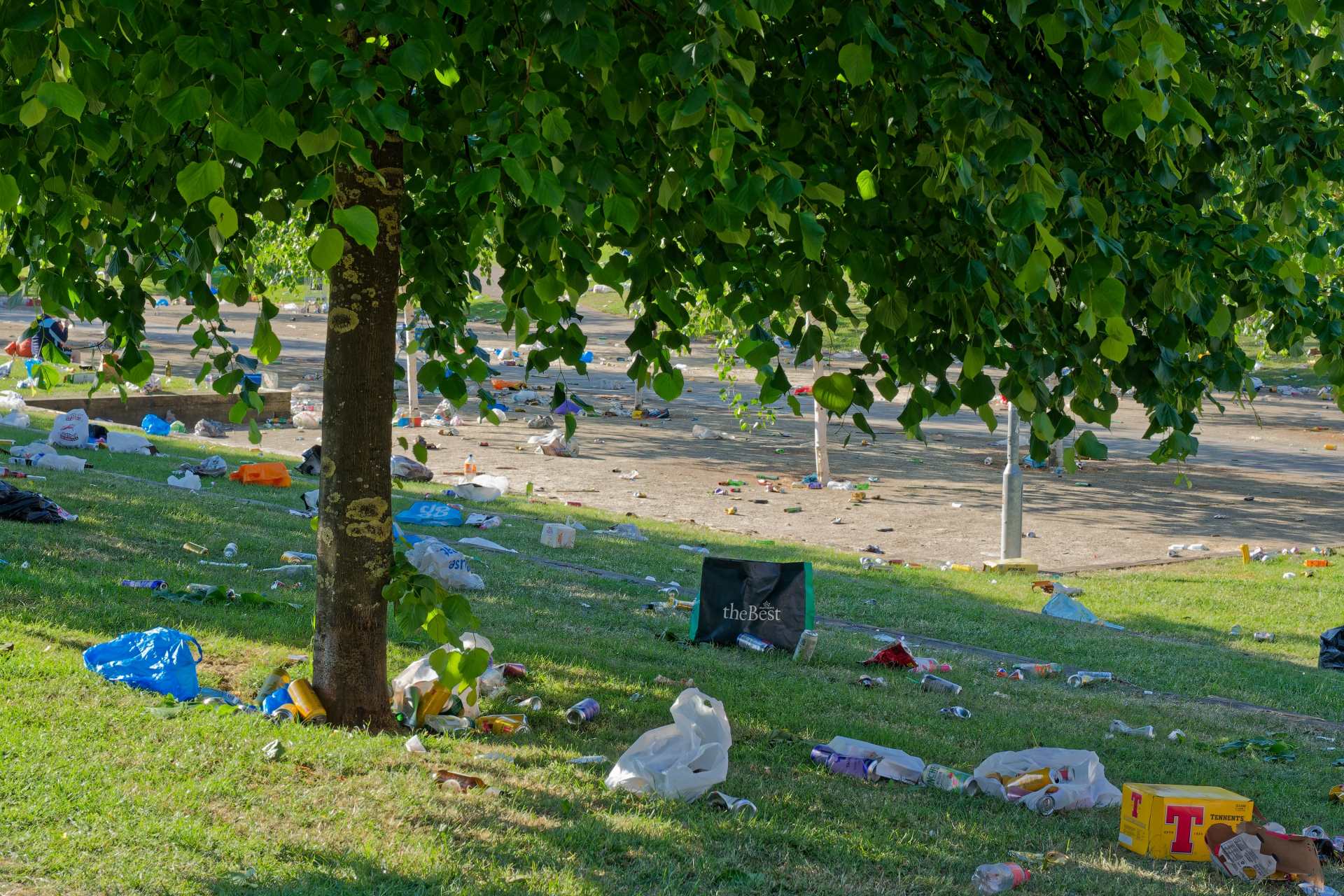
New Data Shows Littering Goes Unpunished Across Huge Swathes of Britain
Clean Up Britain sent FOI requests to 382 councils across the UK, and the responses reveal an enforcement landscape that is failing communities on a massive scale.
Today, we’re proud to publish the findings of our landmark Freedom of Information research project, the most comprehensive analysis of littering and fly-tipping enforcement ever conducted across the UK. The results, covered exclusively today by The Guardian, paint a stark picture of a system that has all but given up on holding litter louts and fly-tippers to account.
The headline numbers:
At least 71 councils failed to issue a single littering fine last year, and a further 67 issued fewer than 10. Only 77 councils issued more than 100 fines in the entire year. In the words of our founder, John Read: “In large swathes of the country, there is eco-anarchy. Anyone can litter with complete impunity and no fear of being caught and convicted.”
Councils issued around 200,000 littering fines last year, bringing in less than £48 million. Compare that with the £867 million generated from parking fines across the 300 councils that responded. The message is clear: your car being in the wrong place matters far more to councils than rubbish being dumped in your community.
Fly-tipping: a system that isn’t working
The fly-tipping picture is, if anything, worse. Around 77,000 people were caught fly-tipping, but only 26,000 fines were issued, and of those, roughly half went unpaid. Councils collected just £8.5 million while losing an estimated £9.3 million in unpaid fines. About 30 councils didn’t issue a single fly-tipping fine, and only around one in 100 prosecutions resulted in a custodial sentence.
Perhaps most troubling is what the Local Government Association has uncovered about sentencing. The average court fine for fly-tipping is just £539, actually £87 less than the average fixed penalty notice of £626 that councils issue directly. In York, two offenders were fined just £300 each by magistrates despite having been issued FPNs of £600 and £1,000. In Wiltshire, a fly-tipper who failed to pay a £1,000 fine was charged just £80 in court. When the courts are handing down penalties lighter than the fines councils can issue themselves, the entire enforcement system is undermined.
Private enforcement works when it’s used
One of the clearest findings is the impact of private enforcement. Councils using private companies average 1,441 littering fines per year, compared to just 117 for those relying solely on in-house teams. Councils using both approaches average nearly 3,800. The evidence is overwhelming, yet the vast majority of councils still rely solely on in-house enforcement.
What needs to change
As our founder, John Read, puts it: “The only sustainable and effective solution to Britain’s litter epidemic is behavioural change. Many people will only change their behaviour if they have a genuine fear of being caught and severely punished. That’s one of the reasons why Clean Up Britain is lobbying for fines to be increased from £500 to £1,000. Littering is a crime that degrades our environment, and the whole of society is forced to endure.”
The government’s new statutory enforcement guidance, which came into force earlier this month, is a welcome step, giving councils clearer legal powers to issue on-the-spot fines of up to £500. But guidance alone won’t fix a culture of inaction. We’re calling for mandatory enforcement reporting, the ringfencing of fine revenue to fund further enforcement, and an urgent review of sentencing guidelines for fly-tipping so that courts stop undermining the work councils do.
Read the full reports:
Read the full Guardian article here.
This research was only possible thanks to the dedication of our team and the support of our community. If you want to help us keep pushing for change, sign up for our newsletter or get in touch about supporting our work.


 Media and donor enquiries: